

In the modern world, credit is an omnipresent force that drives economies, shapes consumer behavior, and fuels both individual and corporate ambitions. From the small business owner seeking to expand operations to the young professional purchasing their first car, credit plays a pivotal role in facilitating financial transactions and fostering economic growth. Yet, despite its fundamental importance, credit remains a concept that is often misunderstood, overshadowed by a cloud of complexity and risk. What is credit, how does it work, and what are the broader implications for both individuals and society? These are the questions that deserve careful exploration, for understanding credit is key to navigating the intricate web of modern finance.
What Is Credit?
At its simplest, credit refers to the ability to borrow money or access goods and services with the promise to repay at a later date. The concept of credit has existed for centuries, evolving from simple barter and lending systems to the highly sophisticated credit mechanisms we rely on today. Whether it’s a consumer loan, a mortgage, or a business line of credit, the underlying principle remains the same: a lender provides funds based on the borrower’s promise to repay, typically with interest, within a specific timeframe.
Credit, however, is not solely about borrowing money. It is also a measure of trust—a reflection of a borrower’s reputation and ability to manage debt. This is where creditworthiness comes into play. Lenders assess an individual’s or business’s creditworthiness based on a variety of factors, the most common of which is the credit score. This numerical value, typically ranging from 300 to 850, is used to determine the likelihood that a borrower will repay their debts in full and on time.
Types of Credit
Credit is not a one-size-fits-all tool; rather, it comes in various forms, each designed to meet specific needs. Understanding the different types of credit is essential for making informed financial decisions.
Revolving Credit
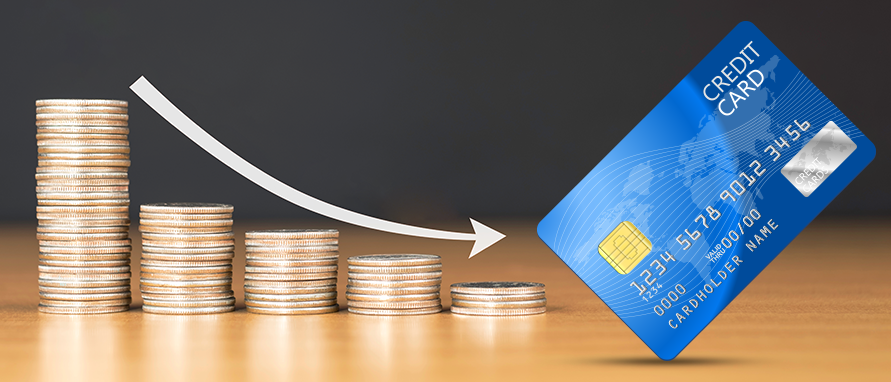
Revolving credit is a flexible borrowing option that allows borrowers to access funds up to a predetermined limit. The most common example of revolving credit is a credit card. With revolving credit, a borrower can borrow and repay repeatedly, as long as they don’t exceed the credit limit. The amount owed accrues interest if not paid off in full by the due date. The flexibility of revolving credit makes it a popular choice for everyday purchases, but it can also be risky if not managed responsibly, given the high interest rates typically charged on outstanding balances.
Installment Credit
Unlike revolving credit, installment credit involves borrowing a specific amount of money and repaying it in equal installments over a fixed period. This type of credit is commonly used for larger purchases, such as car loans or mortgages. Each payment reduces the principal balance, and the borrower knows exactly when the debt will be fully paid off, assuming all payments are made on time. Because of its structured nature, installment credit tends to be more predictable and less risky for borrowers compared to revolving credit.
Open Credit
Open credit is less common than revolving or installment credit but still plays a vital role in certain financial transactions. A key feature of open credit is that it requires the full balance to be paid off in full each month. Utilities and charge cards, such as the American Express charge card, are prime examples of open credit. The key distinction here is that there is no interest rate since the balance is expected to be cleared every billing cycle. If the balance is not paid, the creditor may impose late fees or refuse further transactions.
How Credit Works: The Dynamics of Borrowing and Lending
Credit, like any financial instrument, works through a system of risk management and trust. Lenders—whether they are traditional banks, credit unions, or alternative finance companies—are in the business of taking on risk by lending money to borrowers. In return for the money provided, lenders typically charge interest, which acts as a form of compensation for taking on the risk of default. The interest rate is influenced by a variety of factors, including the borrower’s creditworthiness, prevailing market interest rates, and the duration of the loan.
For the borrower, credit provides the opportunity to access funds they may not currently have, allowing for investments in homes, education, or business ventures. However, it also comes with responsibilities. Borrowers must adhere to the terms and conditions of their credit agreements, making timely repayments and avoiding excessive debt accumulation. Failure to meet these obligations can lead to significant financial consequences, such as damage to one’s credit score, increased borrowing costs, and even legal action.
The Role of Credit in Personal Finance
Credit is a powerful tool in personal finance, but it is one that requires careful management. For individuals, maintaining access to credit and building a strong credit history is essential for achieving financial milestones. A good credit score, for example, can make the difference between securing a favorable mortgage rate or paying exorbitant interest on a loan. Similarly, individuals with strong credit scores may be able to qualify for higher credit limits or receive better terms on credit cards.
One of the primary benefits of credit is its ability to enhance purchasing power. A consumer can make large purchases, such as buying a home or paying for education, and spread the cost over time. This allows for immediate consumption while preserving financial flexibility. However, credit can also encourage overspending. If used irresponsibly, it can lead to a cycle of debt that is difficult to escape. High-interest credit cards, in particular, can quickly compound debt, making it challenging to pay off balances and achieve financial stability.
In addition, credit can serve as an emergency buffer. Life is full of unexpected expenses—medical bills, car repairs, or home maintenance—and credit can help manage these unforeseen costs without derailing one’s financial plans. However, it is important to recognize that this is not an unlimited safety net; borrowing should be done prudently, with the understanding that debt needs to be repaid, often with interest.
Credit and the Economy: A Broader Perspective
While credit plays a crucial role in individual financial management, it also has far-reaching implications for the broader economy. Credit fuels consumption and investment, two critical drivers of economic growth. By making capital accessible to consumers and businesses alike, credit enables both sectors to spend and invest more than they otherwise could, stimulating demand for goods and services.
At the macroeconomic level, credit is essential for businesses to expand operations, innovate, and hire new employees. Companies often rely on credit to finance capital expenditures, such as purchasing equipment, expanding production facilities, or funding research and development. The availability of credit thus directly impacts a nation’s competitiveness and productivity. On a global scale, credit is a key component of international trade, as it allows businesses and governments to facilitate transactions across borders.
However, excessive reliance on credit can also pose risks to the economy. In times of economic stress, overleveraged households and businesses may struggle to meet their debt obligations, leading to defaults and financial instability. The global financial crisis of 2008 is a stark reminder of the dangers posed by excessive credit, particularly in the form of subprime mortgages and risky financial products. In the aftermath of such crises, regulatory frameworks and credit management policies are often overhauled to ensure that credit remains accessible without jeopardizing economic stability.
Conclusion: The Fine Balance of Credit
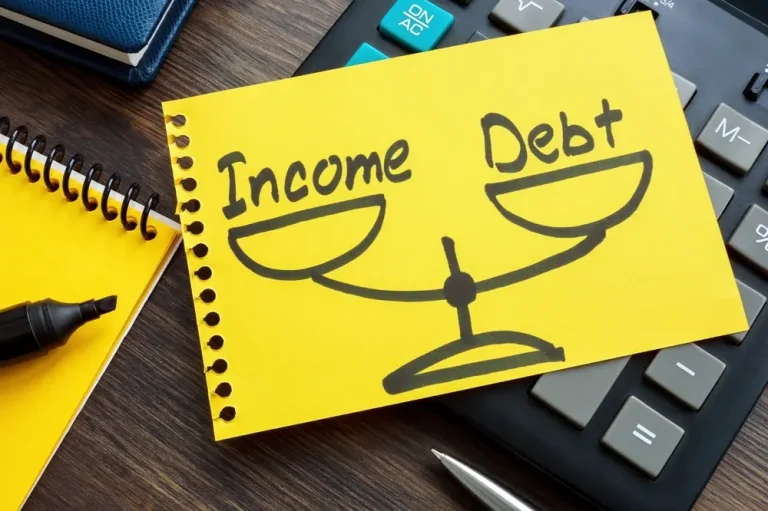
Credit is a double-edged sword. It has the power to fuel economic growth, create opportunities, and enhance personal financial flexibility. Yet, when misused or abused, it can lead to significant financial strain, both for individuals and entire economies. The key to benefiting from credit lies in understanding its dynamics—knowing how it works, managing it responsibly, and maintaining a healthy balance between borrowing and repayment.
For individuals, building and maintaining a strong credit history is an essential aspect of personal financial health. For businesses, strategic use of credit can unlock growth opportunities, driving innovation and expansion. At the macroeconomic level, credit is a critical element in fostering global trade and investment. However, it is vital that credit systems remain robust, transparent, and regulated to avoid the pitfalls of overindebtedness and financial crises. In this ever-evolving landscape, those who navigate credit wisely will find themselves well-positioned for both financial stability and prosperity.