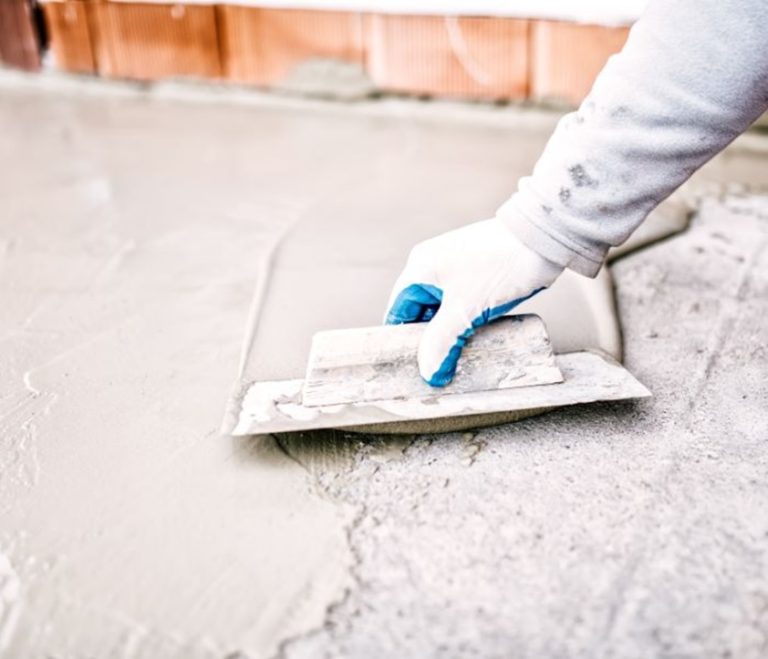


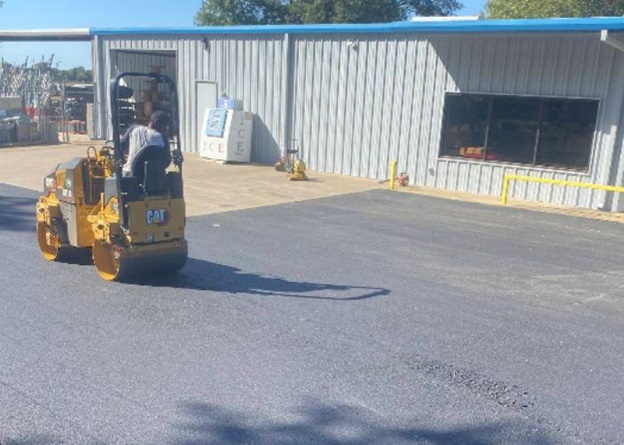
Your asphalt driveway is exposed every day to sunlight, rain, vehicle traffic, changing temperatures, and outdoor debris. Those conditions gradually affect the surface, leading to fading, small cracks, and general wear. Routine maintenance can help protect the pavement, but choosing the right time for it is just as important as deciding to do it.
Weather plays a major role in sealcoating in Lewisville because the material needs suitable conditions to bond with the asphalt and cure properly. A warm, dry day can provide a much better setting for the work than a cold or rainy one. Planning your project around the weather can also reduce the risk of delays and give the finished surface enough time to dry before you use the driveway again.
Understanding the best scheduling conditions can make the entire process easier. Temperature, rainfall, pavement condition, and curing time should all be considered before you choose a project date.
Why Weather Matters for Asphalt Maintenance
Asphalt maintenance depends heavily on outdoor conditions. A driveway coating needs time to settle onto a clean, dry surface without rain interfering.
The Federal Highway Administration’s pavement preservation guidance notes that weather conditions, such as temperature and precipitation, matter when pavement treatments are applied. Some sealing procedures should not proceed when rain is expected, as water can affect the application and curing processes.
This makes checking the forecast an important part of planning your project. Even if the weather looks good when work begins, conditions in the hours that follow can also matter.
Look for Consistently Warm Temperatures
Warm weather generally creates better conditions for driveway surface treatments than cold weather. The pavement itself should also be warm enough for the specific product being applied.
Temperature matters because cooler conditions can slow the drying process. Your contractor may consider the air temperature, surface temperature, humidity, and expected overnight conditions when deciding if the project should move forward.
Federal pavement guidance recognizes temperature as an important factor when applying sealing and preservation treatments.
Instead of choosing a date simply because it falls during a certain month, look for a period of steady, suitable weather.
Late Spring Can Be a Practical Choice
Late spring often offers a good opportunity to inspect your driveway after the colder weather has passed. Temperatures may become more consistent, providing better conditions for sealcoating and other asphalt maintenance.
Before scheduling the work, walk across the pavement and look for visible damage. Pay attention to cracks, loose material, crumbling edges, depressions, and areas where water tends to collect.
If repairs are needed, addressing them before applying a surface coating can help you get more value from the maintenance project. A coating is designed to protect the surface. It is not meant to correct major structural problems underneath the pavement.
Summer Offers Longer Periods of Warm Weather
Summer is another popular time for asphalt maintenance because warm temperatures are common and daylight lasts longer. These conditions can provide useful scheduling flexibility.
However, hotter does not always mean better. Extremely high pavement temperatures can affect certain pavement treatments, which is another reason professional contractors consider product requirements and surface conditions rather than relying on the calendar alone. FHWA pavement guidance includes upper-temperature considerations for certain preservation treatments.
You should also think about how you use your driveway. If vehicles need to stay off the pavement during curing, schedule the project for a time when temporary driveway restrictions will cause the least disruption.
Early Fall Can Provide Another Opportunity
You do not necessarily have to complete sealcoating during the middle of summer. Early fall may offer another useful window when daytime temperatures remain warm and dry weather is available.
The challenge with waiting until later in the season is that nighttime temperatures may begin to drop. Days also become shorter, leaves begin to fall, and the weather can become less predictable.
Planning ahead gives you more flexibility if rain forces your original appointment to be rescheduled. It also reduces the likelihood that colder conditions will set in before the work can be completed.
Pay Close Attention to Rain
A sunny morning does not guarantee a good day for asphalt maintenance. Rain later in the day or shortly after application can interfere with a pavement treatment before it has had enough time to set.
Before scheduling your project, check the National Weather Service for local temperature and precipitation forecasts. The National Weather Service provides local, hourly forecasts that can help you monitor changing weather conditions as your appointment approaches.
Your contractor should make the final decision about suitable application conditions based on the product being used and the expected weather.
Make Sure the Driveway Is Ready
Good weather cannot compensate for pavement that needs significant repair.
Before sealcoating, cracks and damaged areas should be evaluated. Large potholes, major settlement, drainage trouble, and severely deteriorated asphalt may require additional work first.
The Federal Highway Administration describes seal coats as pavement preservation treatments that can help seal fine cracks and limit water intrusion into pavement structures. That makes them useful maintenance tools, but they are most appropriate when the pavement is still in a condition that benefits from preservation.
You should also clear vehicles, toys, portable equipment, leaves, and other objects from the driveway before your appointment. Giving the contractor open access makes preparation and application easier.
Allow Enough Time for the Surface to Cure
Scheduling should include more than the time needed to apply the coating. You also need to account for curing.
Avoid planning work immediately before a time when you know you will need regular access to the driveway. Vehicles and heavy objects should remain off the surface for the period recommended by the contractor and product manufacturer.
Weather can influence curing time, so your contractor may adjust access recommendations based on temperature, humidity, and other conditions.
Giving the pavement enough time to cure helps prevent tire marks, surface damage, and other problems caused by using the driveway too soon.
Do Not Wait for Serious Damage
One of the easiest ways to manage asphalt maintenance is to inspect your driveway throughout the year rather than waiting until obvious damage appears.
Watch for fading, cracking, rough areas, drainage problems, and changes around the pavement edges. Finding issues early gives you more time to schedule maintenance in favorable weather, rather than rushing to arrange repairs after the pavement has significantly deteriorated.
Regular attention also makes it easier to plan maintenance around your schedule.
Conclusion
The best time to schedule sealcoating depends on the weather, pavement condition, and the available curing time. Late spring, summer, and early fall can all provide suitable opportunities when temperatures are warm and the forecast is dry.
Check your driveway before scheduling, watch the weather closely, and address significant damage before applying a protective surface treatment. A little planning can help you choose better conditions and make the maintenance process much smoother.
When you are ready to protect and maintain your asphalt driveway, contact Lewisville Asphalt Paving to discuss your pavement, schedule professional service, and choose a time that works with your property and the weather.